
The Warm Homes Plan: What It Really Means for Homeowners, and Why Waiting May Cost You

This week’s Warm Homes Plan announcement has generated a lot of headlines, and understandably a lot of questions from homeowners. Talk of billions of pounds, loans, solar panels and heat pumps can make it sound as though everything is about to change overnight.
Before getting lost in the detail, it’s worth anchoring on a simple truth. As Ellora Coupe of Her Retrofit Space neatly summarised:
“The difference feels more like a change in scale and coordination and centralisation of the delivery model rather than an actual measures list.”
In other words, the direction of travel is clear and welcome, but for most homeowners, the fundamentals have not suddenly changed.
The direction of travel is clear and welcome
The government is doubling down on something we have long known to be true. The most reliable way to cut household energy bills long-term is to reduce reliance on gas and generate more of your own energy.
Well-designed combinations of solar panels, batteries, heat pumps and good insulation can dramatically reduce bills, improve comfort and protect households from volatile energy prices. That remains as true today as it was last year.
What has changed is the level of attention and the promise of better coordination. That matters, but it does not mean homeowners should put plans on hold.
What support is actually available now
This is where clarity really matters.
Grants are available to all households installing eligible heat pump systems, most notably the £7,500 Boiler Upgrade Scheme grant. Air-to-air heat pumps are being included later this year, which can be a good option for some homes.
However, fully funded installations are only available to households on lower incomes or in fuel poverty. For most homeowners, there is no free money on the table. There is support, but you are still making an investment decision.
That has not changed.

The loan scheme: helpful in principle, distant in reality
The most talked-about element of the announcement is the proposed government-backed loan scheme for green home upgrades. In principle, this could be useful for households who do not qualify for free installations but want to spread the cost of solar, batteries or heat pumps.
But it is important to be honest. This scheme is still being developed, and current indications suggest a potential launch around April 2027.
That creates a real risk. As Emma Bohan from IMS Heat Pumps said to me this week:
“Government gives, but it taketh away. The finance is very much welcomed, but I can see this stalling the market. We don’t need announcements of intent, but an oven-ready loans scheme to keep up market momentum.”
For homeowners, the key takeaway is simple. The loan scheme is not something you can rely on in the near term, and it is not a reason to delay sensible upgrades today.
Why delay often costs more than acting
There are very practical reasons why waiting may not make sense.
If you install solar now, you could be generating your own electricity all summer. That is months of lower bills you do not get back if you wait.
If your boiler is ageing, summer is the best time to replace it. You can upgrade without the pressure of needing heating tomorrow, and you go into winter with a system that is properly commissioned and understood. Waiting until a boiler fails in January rarely leads to good decisions.
There are also cost pressures to be aware of. China, which supplies a large proportion of the world’s solar manufacturing, about to remove its VAT rebates on solar panel exports. That is expected to push up panel prices from 2026. If you have already set aside money to invest, delaying could mean paying more for the same system.

What real homeowners are already saving
One of the strongest reasons to act now is what homeowners are already achieving with well-designed systems.
In one of our customer's Surrey home with solar panels and battery storage, all electricity costs dropped to just 6.2p per kWh, and gas bills were eliminated entirely over the year. That case study shows how much exposure to rising energy prices you can remove when you generate and store your own power.
Read the full case study here:
Solar panels and battery savings in a Surrey home
https://www.yourenergyyourway.co.uk/post/solar-panels-with-battery-storage-in-surrey
In our Home Energy Retrofit Guide, we modelled some of our typical customer homes and found that a solar, battery and heat pump combination can deliver around £1,500 per year in savings compared with relying on grid energy alone. Those figures are based on current performance, not best-case assumptions.
Read the full breakdown here:
How much can a whole-house retrofit save?
These are not hypotheticals. They are real homes, real systems and real savings. Waiting does not just delay action. It delays savings you could already be making.

Viridian solar 
YEYW Vaillant Heat Pump Installtion for a homeowner in Reading 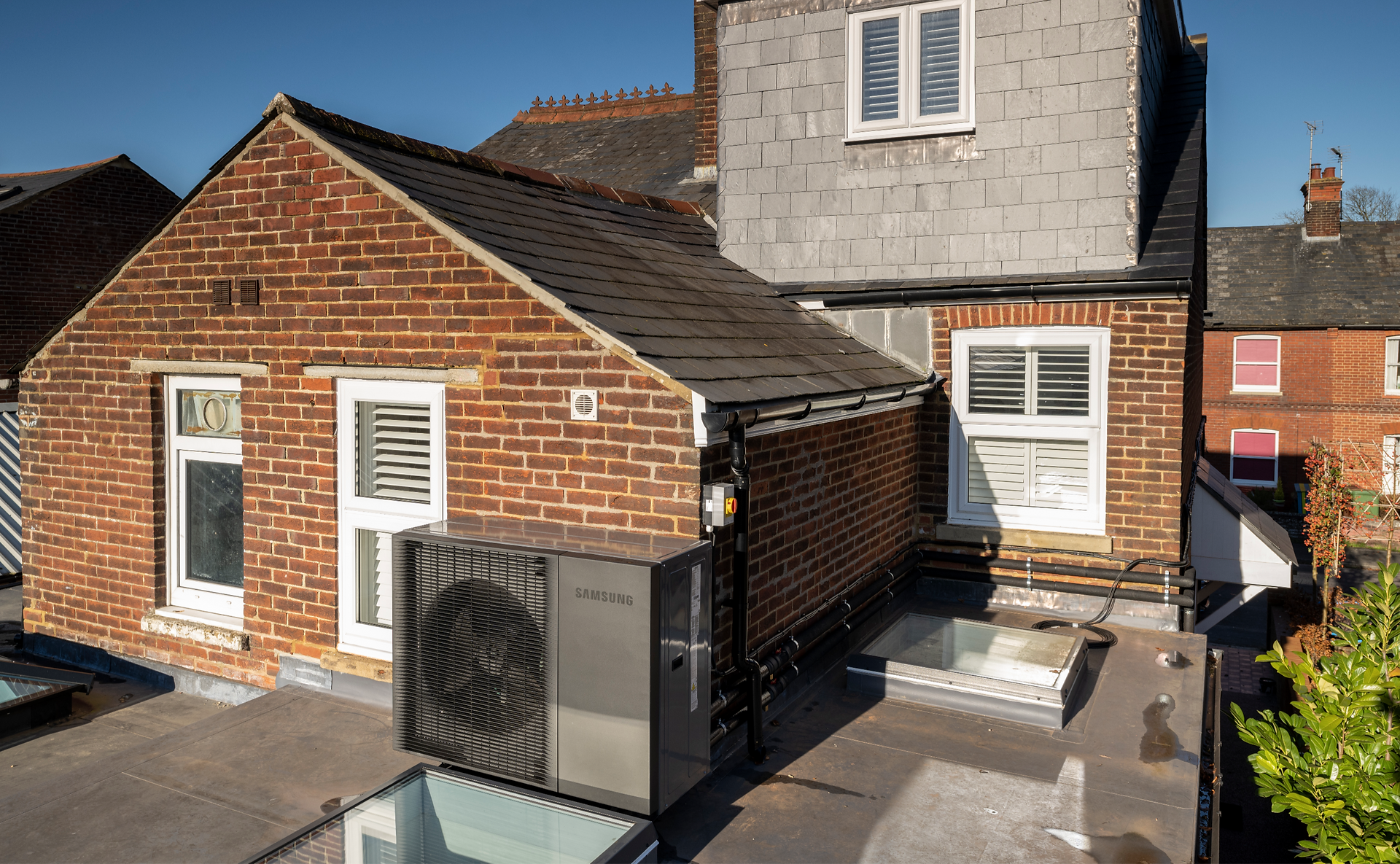
Why quality still matters more than incentives
One of the biggest lessons from previous government schemes is that bad installations can leave people worse off, even when they are subsidised.
Homes are systems. Solar panels, batteries, heat pumps and insulation need to be designed together so they work with each other, not against each other. When that does not happen, promised savings do not materialise and comfort suffers.
At Your Energy Your Way, we specialise in whole-house renewables, making sure systems are properly sized, integrated and designed around how you actually live. That is how you get homes that are genuinely warmer and cheaper to run, not just compliant on paper.

The bottom line for homeowners
Momentum behind cleaner, cheaper-to-run homes is real and growing.
Grants remain available now, but free installations are limited to low-income households.
The loan scheme may help in future, but it is not imminent and should not freeze good decisions today.
Acting sooner can mean a summer’s worth of free generation, lower bills earlier and avoiding future cost increases.
The biggest determinant of success is still getting the right system, installed well, for your home.
Want to understand the bigger picture or your own options?
I'll be speaking at an event Nesta is hosting tomorrow, which you may like to join. It's called Deciphering the Warm Homes Plan and brings together voices from across the sector to unpack what this really means for households and delivery.
And if you want to understand what makes sense specifically for your home, we are always happy to have an honest, no-pressure discovery call to talk through options, timing and trade-offs.
Because while policy will keep evolving, well-designed systems start saving money the moment they are switched on.
Warm Homes Plan: Homeowner FAQs
What is the Warm Homes Plan?
The Warm Homes Plan is a UK government programme aimed at improving the energy efficiency of homes by supporting measures such as solar panels, heat pumps, batteries and insulation. Its stated goals are to reduce energy bills, cut carbon emissions and improve comfort, particularly for households most affected by high energy costs.
Is the Warm Homes Plan offering free installations?
Free, fully funded installations are only available to some low-income households or those in fuel poverty.
For most homeowners, there is no free money, but there are grants and incentives that reduce the upfront cost of certain technologies, particularly heat pumps.
What grants are available right now?
Currently, homeowners can access:
The £7,500 Boiler Upgrade Scheme grant for eligible heat pump installations
Additional insulation support in some circumstances. This is likely to be delivered via your local council.
These grants are available now, not in the future.
What is the new government loan scheme?
The government has announced plans for a low- or zero-interest loan scheme to help homeowners spread the cost of installing solar panels, batteries and heat pumps. However, the scheme is still being developed and is not expected to launch until around April 2027.
Should I wait for the loan scheme before installing solar or a heat pump?
For many homeowners, waiting may not make sense.
The loan scheme is not imminent, and there is no guarantee that future loan terms will outweigh the savings you could start making now. Installing solar panels today means you can generate your own electricity immediately, including through the summer months when solar performs best.
Will installing solar panels now still make sense if policy changes?
Yes. Solar panels, batteries and heat pumps deliver value based on how much energy they generate or save, not on future policy announcements. Policy may evolve, but a well-designed system starts reducing bills as soon as it is switched on.
Is now a good time to replace an ageing boiler?
Yes, particularly in the summer. Replacing a boiler or installing a heat pump outside the heating season avoids emergency decisions, allows proper system design and commissioning, and means your home is ready well before winter.
Will solar panel prices go down if I wait?
Not necessarily. Global supply chains, including changes to VAT rebates on solar exports from China, are expected to put upward pressure on panel prices from 2026. If you have already set aside budget, waiting could mean paying more for the same system.
How much can I actually save with solar, batteries or heat pumps?
Savings depend on your home, energy use and system design. However, real examples from UK homes show:
Electricity costs as low as 6.2p per kWh with solar and battery systems
Annual savings of around £1,500 from well-designed solar, battery and heat pump combinations
The key factor is getting the system designed properly for your home.
Why does installation quality matter so much?
Homes are systems. Solar panels, batteries, heat pumps and insulation need to work together. Poor design or installation can mean systems fight each other, reducing savings and comfort. Quality matters far more than chasing the latest incentive.
How do I know what’s right for my home?
There is no one-size-fits-all answer. The best approach is a whole-house assessment that looks at how your home is built, how you use energy and what you want to achieve. That is far more reliable than choosing technologies based on headlines or incentives alone.


Comments