
Common Heat Pump Problems and Solutions for Homeowners

Heat pumps are an efficient and eco-friendly heating solution for many homeowners, but they can encounter various issues that may affect their performance. Understanding common heat pump problems and their solutions is essential for maintaining comfort and efficiency in your home.
This article will explore frequent issues homeowners face with heat pumps, including heating inefficiencies, troubleshooting steps, and maintenance tips.
Additionally, we will discuss how heat pumps can integrate with renewable energy systems, providing a comprehensive overview of their functionality and care.

Why is my heat pump not heating properly?
Heat pumps may not heat properly due to several key issues related to sizing and system components:
Undersized heat pump: If the heat pump itself is too small for the space it needs to heat, it will struggle to maintain the desired temperature efficiently.
Undersized pipework: The pipework connected to the heat pump may be too narrow, restricting the flow of heated water to the radiators and reducing overall system performance.
Undersized emitters: The heating emitters in the rooms, such as radiators or underfloor heating circuits, may be too small (radiators) or to widely spaced (underfloor heating pipes) to effectively distribute heat throughout the space.
Inadequate insulation on primary pipework: Poor insulation on the main pipework between the heat pump and the house can lead to significant heat loss before the warm water reaches the emitters, reducing heating efficiency.
Low refrigerant gas levels: A shortage of refrigerant gas in the heat pump can impair its ability to transfer heat, often indicated by error codes or reduced heating output.
These issues can be compounded by mechanical failures, incorrect settings, or environmental factors. Regular maintenance is crucial to prevent these problems from escalating. Homeowners should monitor their system’s performance and consult a qualified technician when necessary to ensure efficient and effective heating.
What causes heat pump freezing and how to fix it
Ice buildup on the back of a heat pump during cold weather is a normal occurrence. Typically, the heat pump will operate about once an hour to take heat from inside the house and use it to defrost the outdoor unit. During this defrost cycle, you may see a cloud of steam coming from the back of your heat pump, which is nothing to worry about.
However, problems arise if the heat pump settings are incorrect or if the heat pump is too small for the house. In such cases, there may not be enough heat in the radiator circuit to support the defrost process, preventing the heat pump from clearing the ice buildup effectively. This issue can also occur if there is a mechanical problem with the reversing valve that initiates the defrost cycle, if the heat pump is low on refrigerant gas, or if the homeowner runs the heat pump intermittently, allowing indoor temperatures to drop too low before turning it back on.
If your heat pump becomes iced over and the ice does not clear—especially if it obstructs the fan—turn off the heat pump immediately. Use backup heaters or an immersion heater to restore warmth if possible, and contact a qualified technician to inspect and repair the system.
How can homeowners troubleshoot common heat pump faults?
Homeowners can troubleshoot common heat pump faults by following a systematic approach to identify and resolve issues. Understanding the signs of malfunction can save time and money, allowing for timely repairs or adjustments.
Step-by-step DIY troubleshooting for heat pump issues
Check for error codes: Your heat pump will display an error code for many common faults. Refer to the user manual to interpret these codes and identify potential issues.
Ensure power supply: Make sure there is electricity to the unit and that no switches are tripped in your fuse board.
Check the thermostat settings: Ensure the thermostat is set to the desired temperature and mode.
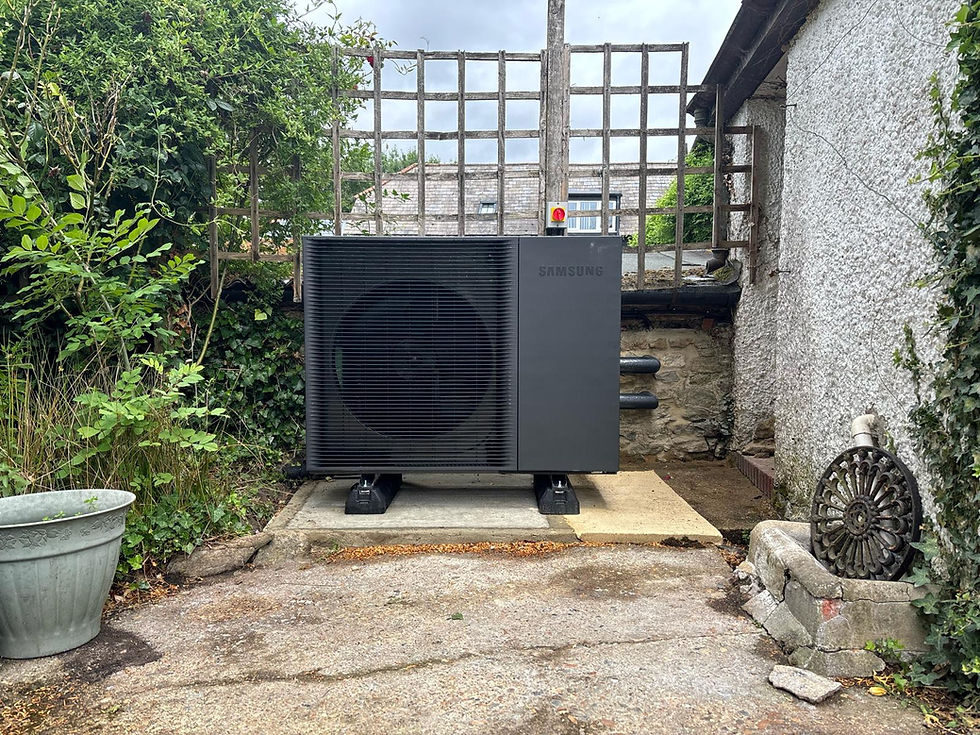
Examine the outdoor unit: Clear any debris or obstructions around the unit to ensure proper operation.
Listen for unusual noises: Identify any strange sounds that may indicate mechanical issues.
Monitor system performance: Keep track of heating efficiency and any changes in performance.
Check system pressure: A common issue is low volume in the system. Check the pressure gauge and top up using the filling loop if needed. The pressure should generally be around 2 bar.
By following these steps, homeowners can often identify and resolve minor issues before they escalate.
When should you call a professional for heat pump repair?
Homeowners should consider calling a professional for heat pump repairs when they notice persistent issues that DIY troubleshooting cannot resolve. Signs that indicate the need for professional help include:
Unusual noises: Grinding or banging sounds may signal mechanical failure.
Inconsistent heating: If certain areas of the home remain cold despite the system running, it may indicate a deeper issue.
Frequent cycling: If the heat pump turns on and off rapidly, it could be a sign of an underlying problem.
Error codes: Persistent error codes that do not clear after resetting the system should be addressed by a technician. You can see the fixes to some common Samsung error codes on our YouTube page - (78) Your Energy Your Way - YouTube

What maintenance tips extend the life of your heat pump?
Regular maintenance is vital for extending the lifespan of a heat pump and ensuring optimal performance. Homeowners can implement several strategies to keep their systems running efficiently.
How often should heat pumps be serviced in Southeast England?
In Southeast England, it is recommended that heat pumps be serviced at least once a year. This annual servicing helps identify potential issues early and ensures that the system operates efficiently throughout the heating season. Homeowners should schedule maintenance before the winter months to prepare their systems for increased demand. You can book a service and maintenance plan with us here: Heat Pump & Solar Servicing & Aftercare
Servicing to avoid common heat pump problems
These are some of the things we do at a service to prevent problems:
Inspecting the outdoor unit: Regularly check for debris and ensure proper drainage, check that all the pipe insulation is in place and not water logged.
Checking refrigerant levels: Ensure that refrigerant levels are adequate to prevent freezing and inefficiency.
Cleaning coils: Keep the evaporator and condenser coils clean to enhance heat exchange efficiency.
Checking water quality: water quality inside the system can significantly impact the lifespan of the system components. Read more here Who Cares About the Water in your Radiators? We do and Here's Why.
.
How do heat pumps integrate with renewable energy home battery systems like Tesla Powerwall?
Heat pumps can effectively integrate with solar panels and battery systems, such as the Tesla Powerwall, to enhance energy efficiency and sustainability. This integration allows homeowners to utilise stored solar energy for heating, reducing reliance on grid electricity.
Read more about an integrated home combining batteries and heat pumps here: A Real-Life Heat Pump and Solar PV Installation in Surbiton: Future-Proofing a 1930s Home
Benefits of combining heat pumps with battery storage solutions
Combining heat pumps with battery storage solutions offers several advantages:
Cost savings: Utilising stored energy can lower electricity bills, especially during peak hours.
Energy independence: Homeowners can rely less on the grid, enhancing energy security.
Environmental impact: Using renewable energy sources reduces carbon emissions and promotes sustainability.

What installation challenges arise with renewable energy integration?
While integrating heat pumps with renewable energy systems presents numerous benefits, it can also pose installation challenges, such as:
Compatibility issues: Ensuring that the heat pump and battery system are compatible can require careful planning.
Space requirements: Adequate space must be available for both systems, which may necessitate modifications to existing setups.
Technical expertise: Proper installation often requires specialised knowledge, making it essential to hire qualified professionals.
Addressing these challenges can lead to a successful integration of heat pumps with renewable energy systems, maximising efficiency and sustainability.
Conclusion
Understanding common heat pump issues and their solutions is essential for maintaining optimal performance and comfort in your home. By addressing problems such as improper sizing, inadequate insulation, and regular maintenance, homeowners can significantly enhance their heating efficiency. Taking proactive steps ensures that your heat pump operates effectively, ultimately saving you time and money. For more insights and expert advice on heat pump care, explore our comprehensive resources today.
Comments