
Heat Pump Technology Guide: Comprehensive Overview

If you’ve ever wondered how to heat your home efficiently while increasing your comfort and cutting down on carbon emissions, heat pumps might just be the answer. They’re becoming increasingly popular across the South East of England, and for good reason. Today, I’m diving into everything you need to know about heat pump technology. Whether you’re a homeowner or run a business, this guide will help you understand how heat pumps work, their benefits, and how to get started with one.
What Is Heat Pump Technology? A Friendly Introduction
Let’s start with the basics. A heat pump is a device that transfers heat from one place to another. Sounds simple, right? But here’s the clever bit: it can extract heat from the outside air, ground, or water—even when it’s cold outside—and use that heat to warm your home or business. In summer, it can reverse the process to cool your space.
Think of it like a fridge, but instead of keeping things cold inside, it keeps your home warm by moving heat around. This technology is not new, but recent advances have made heat pumps more efficient and affordable than ever.
How Does It Work?
Heat pumps operate on a cycle involving a refrigerant that absorbs and releases heat as it circulates through the system. Here’s a quick breakdown:
Evaporation: The refrigerant absorbs heat from the outside source (air, ground, or water).
Compression: The refrigerant is compressed, raising its temperature.
Condensation: The hot refrigerant releases heat inside your building.
Expansion: The refrigerant cools down and the cycle repeats.
This process uses electricity, but because it moves heat rather than generating it by burning fuel, it can be 3 - 5 times more efficient than traditional electric or gas central heating.
Heat Pump Technology Guide: Types and Applications
Now that you know what a heat pump is, let’s explore the different types and where they work best.
Air Source Heat Pumps (ASHP)
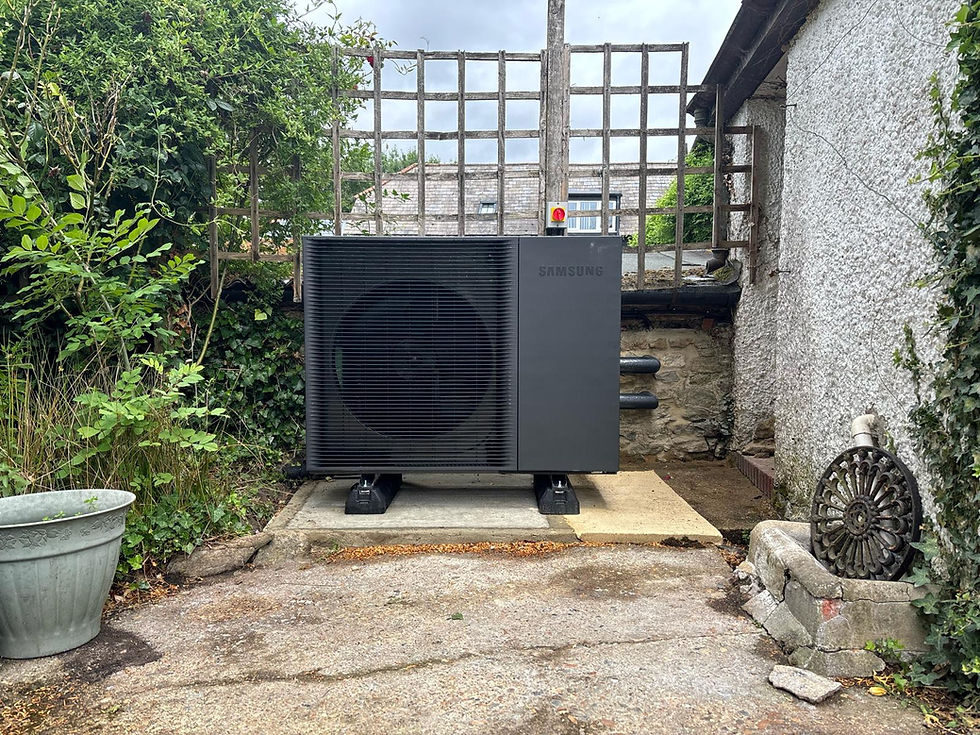
These are the most common and easiest to install. They extract heat from the outside air, even when it’s cold. ASHPs are ideal for homes and businesses with outdoor space for the unit. They work well in all climates and can provide both heating and cooling.
Ground Source Heat Pumps (GSHP)
These systems use pipes buried underground to absorb heat from the earth. The ground maintains a relatively constant temperature year-round, making GSHPs very efficient. However, installation is more complex and requires sufficient land or deep boreholes.
Water Source Heat Pumps
These use a nearby water source like a lake or river to extract heat. They’re less common but can be highly efficient if you have access to suitable water bodies such as the river Thames.
Hybrid Heat Pumps
These combine a heat pump with a traditional boiler, switching between the two depending on the temperature and efficiency. This can be a great option for properties where you don't want to upgrade the radiators, but they are not eligible for the Boiler Upgrade Scheme grant (BUS).
Where Can You Use Heat Pumps?
Homes: For central heating, hot water, and cooling.
Businesses: Offices, shops, and warehouses can benefit from efficient heating and cooling. Many of these already have heat pumps, but know them as air conditioners, which are in fact a version of the same thing.
New Builds and Retrofits: Heat pumps can be installed in new constructions or retrofitted into existing buildings, though the latter may require some upgrades to insulation and radiators.
Why Choose Heat Pumps? Benefits That Matter
You might be asking, “Why should I consider a heat pump?” Here’s the lowdown on the benefits:
Energy Efficiency: Heat pumps use less electricity than gas boilers or traditional electric heaters because they move heat instead of generating it.
Environmentally Friendly: Heat pumps produce fewer carbon emissions, helping you reduce your carbon footprint.
Year-Round Comfort: They can be confirgured to provide both heating in winter and cooling in summer, but cooling is hard to do in older houses.
Renewable Energy Compatible: Heat pumps work well with solar panels and batteries and can really save you money on your bills when coordinated with these technologies.
Government Incentives: There is currently no VAT on heat pumps and the Boiler Upgrade Scheme will take £7,500 off the installation cost.
Practical Tips for Installing and Maintaining Heat Pumps
Getting a heat pump installed is a big step, but with the right approach, it’s straightforward and rewarding.
Choosing the Right System
Assess Your Property: Consider your building’s size, insulation, and existing heating system, this is done through a Heat Loss Calculation carried out by your installer.
Consult a Professional: A qualified installer such as Your Energy Your Way will recommend the best type and size of heat pump.
Check Local Regulations: Conservation areas or listed buildings have restrictions on where heat pumps can be placed.
Installation Process
Site Survey: The installer will evaluate your property and outdoor space.
System Design: Tailored to your heating and cooling needs.
Installation: Usually takes one to two weeks depending on the system.
Testing and Commissioning: Ensures everything works perfectly.
Handover: Our team take time to walk you through the system once it is installed to ensure you know how to run it.
Maintenance Tips
Regular Checks: Keep the outdoor unit clear from debris and don't store things around it to block the air flow.
Annual Servicing: Have a professional inspect the system yearly.
Monitor Performance: Keep an eye on energy bills and comfort levels.
What to Expect After Installation: Real-Life Insights
Once your heat pump is up and running, you’ll notice a few things:
Consistent Warmth: Heat pumps provide steady, gentle heat rather than the quick blasts from traditional boilers.
Lower Noise Levels: Modern units are designed to be quiet.
Reduced Energy Bills: Many users report significant savings, especially when combined with good insulation and solar/battery technologies.
Environmental Satisfaction: Knowing you’re using greener technology feels pretty good.
If you’re switching from an old system, there might be a short adjustment period as you get used to the new heating style. But trust me, it’s worth it. Read one of our case studies to understand how our customers feel about their heat pump installations - Case Study: Heat Pump and Solar Panels in Shepperton – How One Family Saved £100 a Month
Looking Ahead: The Future of Heat Pump Technology
Heat pumps are evolving fast. Innovations like smart controls or optimisers, integration with home energy management systems, and improved refrigerants are making them even more efficient and user-friendly. You can read our blog about heat pump optimisers here What is a Heat Pump Optimiser?
As the UK pushes towards net-zero emissions, heat pumps will play a crucial role in heating homes and businesses sustainably.
If you’re thinking about making the switch, now’s a great time to explore your options and join the green energy movement.
I hope this guide has given you a clear, friendly overview of heat pump technology. If you want to learn more or get personalised advice, don’t hesitate to reach book a call Book Online and we can help you make the best choice for your property and budget. Here’s to warmer, greener days ahead!


Comments